Fit and sizing
Why your size changes between labels, and what to measure instead
No federal clothing or shoe size standard exists in the US. Measure your body and your foot, compare against the maker's own chart, and stop buying a number.
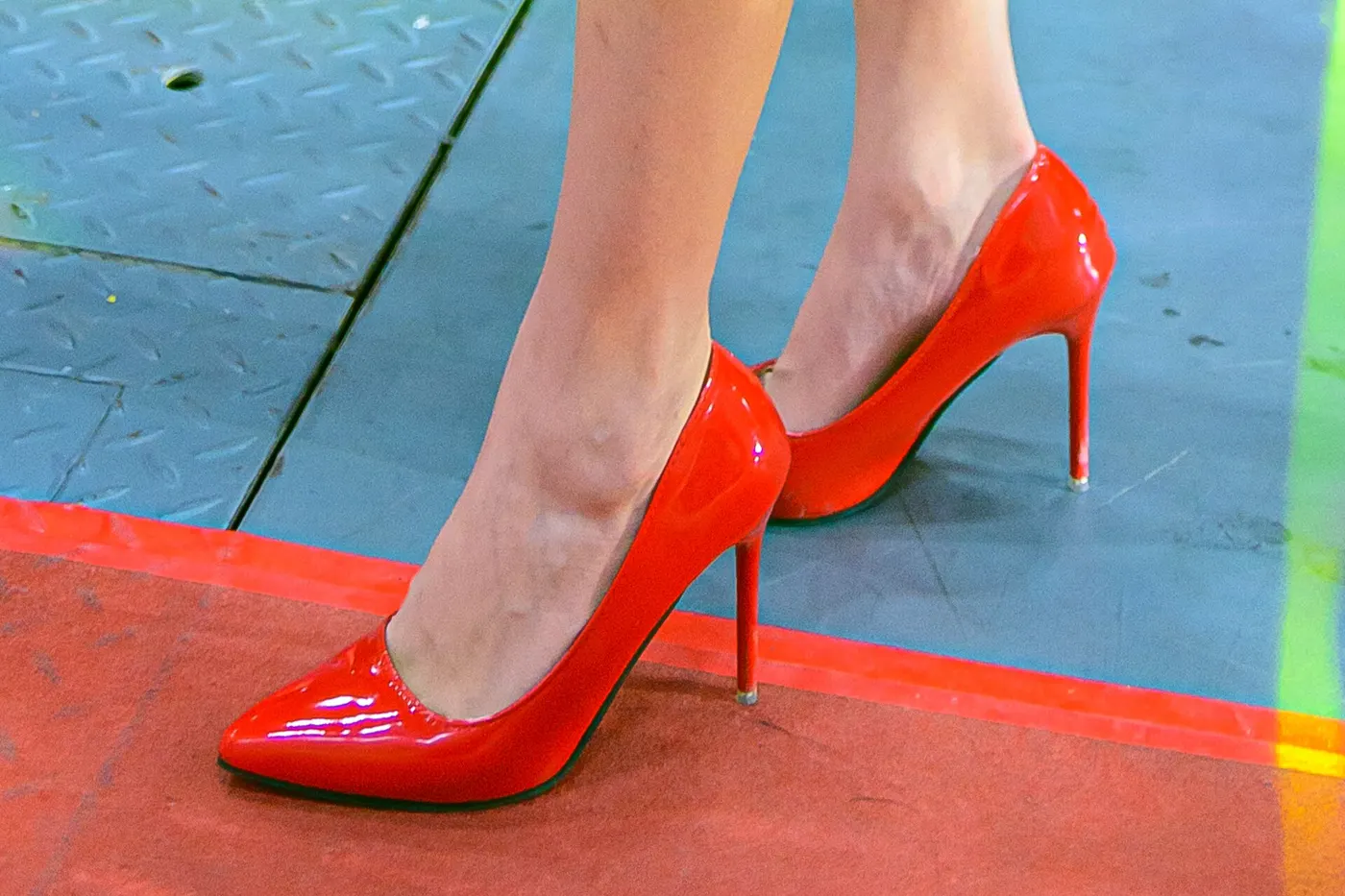
A label size is a manufacturer's internal shorthand, not a measurement. There is no federal standard that forces one maker's 8 to match another's, and the published charts that do exist are voluntary and used inconsistently, which is why the same person is three different sizes in one shop.
The way out is to stop buying a number and start buying a measurement. This guide covers how to take the three body measurements and the two foot measurements that matter, what the label is legally required to tell you about the fabric that will change the fit, and how heel height and toe shape move the answer. No brand is named and nothing here was tried on by us.
Measure the body, then read the maker's chart
Three measurements cover most garments: bust at the fullest point, natural waist at the narrowest, and hip at the fullest point, all taken with the tape level and snug but not pulled. Take them over the underwear you would wear with the garment, because a different bra changes the bust measurement by more than a size step.
Then go to the maker's own size chart rather than a generic one. The useful charts give body measurements in inches for each size; the less useful ones give garment measurements, which are the finished dimensions including ease. Both are usable, but only if you know which you are reading, because a 38 inch bust on a body chart and a 38 inch chest on a garment chart describe completely different fits.
Where you fall between sizes, the rule that works is to go up on the measurement that is hardest to alter. Shoulders and hips are expensive to take in or let out; a waist is cheap. A jacket that fits the shoulders and gapes at the waist is a $25 alteration; one that fits the waist and pulls across the shoulders is not fixable at any price.
| Measurement | How to take it | What it decides |
|---|---|---|
| Bust | Level tape at the fullest point, over the right underwear | Whether a top or jacket closes |
| Natural waist | Narrowest point, tape snug not tight | Easiest dimension to alter later |
| Hip | Fullest point, usually 7 to 9 inches below the waist | Whether a skirt or trouser sits flat |
| Shoulder to shoulder | Across the back between the shoulder points | The dimension that cannot be fixed |
| Inseam | Crotch seam to where you want the hem, in the shoes you will wear | Hem length, which is a cheap alteration |
| Foot length | Heel to longest toe, standing, late in the day | Shoe size in the maker's own chart |
Feet are measured twice, and not in the morning
Feet swell over a day. Measure in the evening, standing, with your full weight on the foot, because a foot measured sitting down in the morning is shorter and narrower than the foot that will be in the shoe at 6pm. Measure both feet and work from the larger one, since most people have a measurable difference between them.
Take two numbers: length from the back of the heel to the longest toe, which is not always the big toe, and width across the ball at the widest point. Then allow room ahead of the longest toe, about three-eighths of an inch for a shoe worn walking, so that the foot can slide forward when you step downhill without the toe hitting the end.
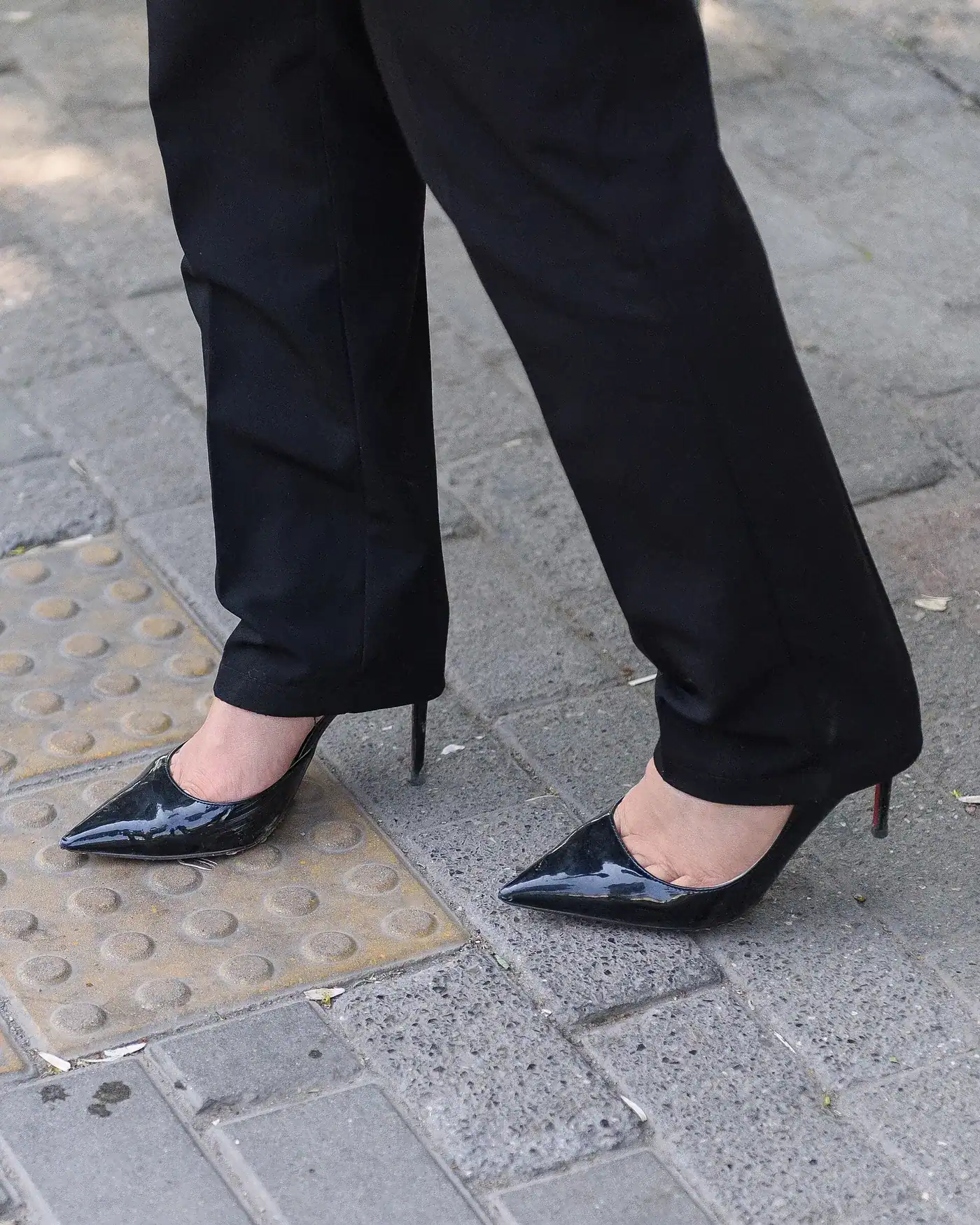
Width is the measurement most often missing from a chart, and it is the one that decides comfort on a pointed shoe. A pointed toe box narrows the space at the forefoot well behind the visible point, so two shoes of identical length can fit completely differently. Where a maker publishes width fittings, use them; where it does not, a round or almond toe is the safer shape at the same length.
- Measure in the evening, standing, with weight on the foot
- Measure both feet and use the larger
- Record length from the heel to the longest toe, which may not be the big toe
- Record width across the ball of the foot at the widest point
- Allow about three-eighths of an inch ahead of the longest toe
- Check the maker's own chart in inches rather than relying on a size number
- Where no width fitting is published, prefer a round or almond toe over a point
Heel height changes the fit, not just the look
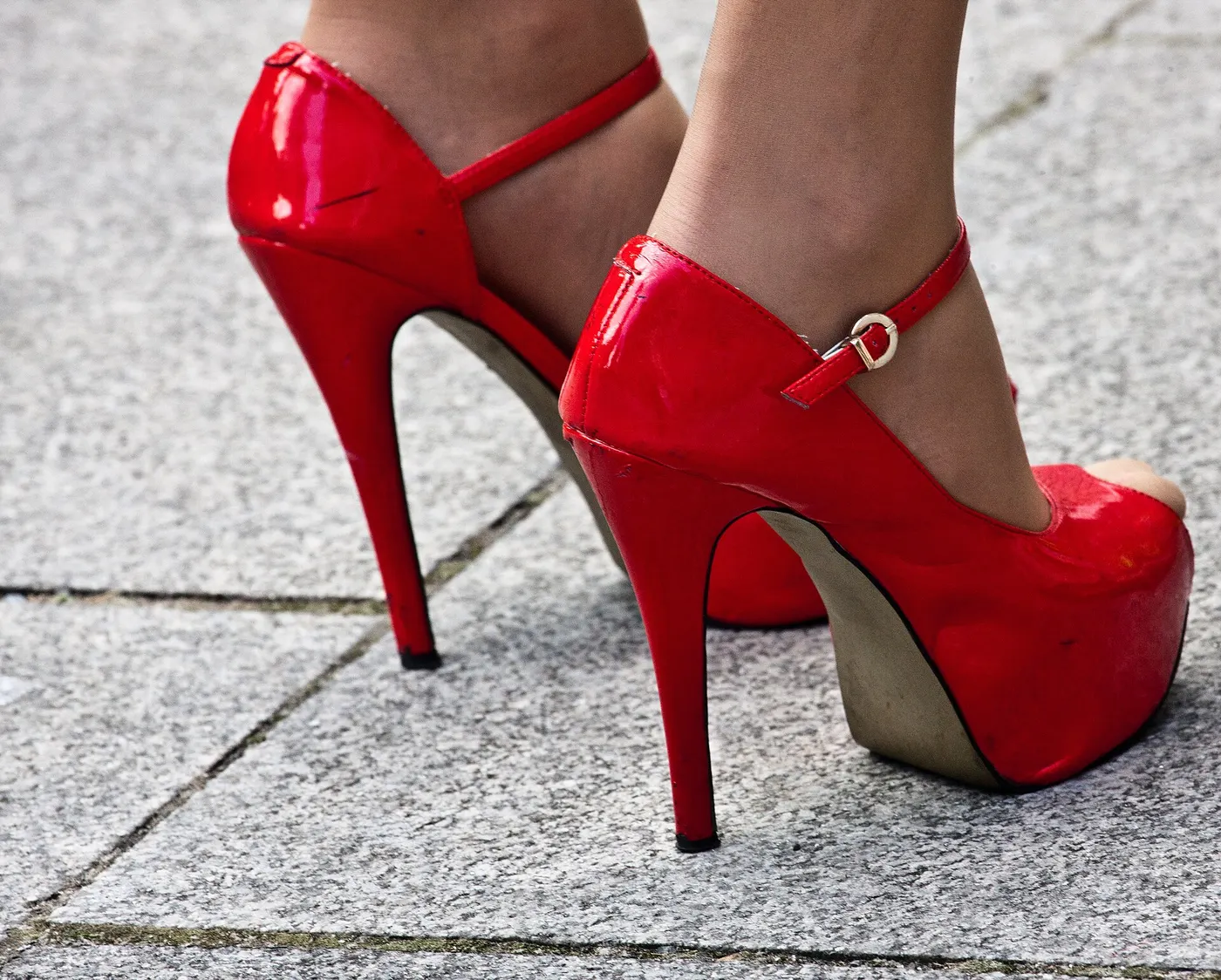
Raising the heel tips the foot forward and transfers load onto the ball and the toes. The same shoe length therefore feels shorter as the heel rises, because the foot slides forward in the shoe, and the forefoot needs more width than it did flat. A pair that fits in a 2 inch heel can be tight in a 4 inch heel at identical length.
That is also why heel height belongs in the cost-per-wear arithmetic rather than only in the styling decision. A shoe comfortable for 2 hours and a shoe comfortable for 8 hours do not accumulate wears at the same rate, and a pair that comes off at lunchtime is a pair with a small denominator and a large cost per wear.
The practical fittings that help are a strap and a platform. An ankle or instep strap stops the foot sliding forward, which recovers some of the length lost to the pitch. A platform under the forefoot reduces the effective angle, so a 4 inch heel with a 1 inch platform behaves closer to a 3 inch heel for the foot inside it.
| Feature | What it does to the foot | What to do about it |
|---|---|---|
| Higher heel | Slides the foot forward, loads the forefoot | Allow more width, or add a strap |
| Pointed toe | Narrows the box well behind the point | Prefer a published width fitting, or a rounder shape |
| Platform under the forefoot | Reduces the effective pitch | A 4 inch heel on a 1 inch platform behaves nearer a 3 inch heel |
| Ankle or instep strap | Holds the heel back in the shoe | Recovers length lost to the pitch |
| Open sides | Removes support across the midfoot | Size on the snug side of your measurement |
The fabric decides how much the fit can move
A label with percentages tells you how forgiving a garment will be before you try it on. Under the Federal Trade Commission's textile labelling guidance, fibres making up 5 percent or more of the weight must be named with their percentage, and a fibre below that threshold may still be named where it has definite functional significance, which is the exception that puts 4 percent spandex on a label.
That 4 percent is the single most informative number on a pair of trousers. A rigid 100 percent cotton denim fits the measurement it is cut to and will not move; the same cut with 2 percent elastane has give at the waist and hip and recovers after wearing; one with a high elastane share stretches during the day and needs washing to come back. Knowing which of those you have holds before you order tells you whether to size up.
Wool is the other label fact worth knowing, because wool and recycled wool must always be named whatever the percentage. A coat with a named wool share has told you how much structure it will hold and how it will behave when damp, and a coat that names no wool at all has told you that too.
Before you buy
- Take bust, waist, hip, shoulder and inseam measurements in inches and write them down
- Measure over the underwear you would actually wear with the garment
- Measure your feet in the evening, standing, and use the larger foot
- Record foot width as well as length
- Allow about three-eighths of an inch ahead of the longest toe
- Read whether the maker's chart gives body or garment measurements before using it
- Check the fibre percentages to see how much the fit can move
- When between sizes, go up on the dimension that cannot be altered
Questions readers ask
- Why am I three different sizes in three shops?
- Because there is no standard forcing one maker's size to match another's. Each brand cuts to its own block and labels it with a number of its own choosing. The only stable facts are your body measurements in inches and the maker's own published chart, which is why buying the measurement rather than the number is the way out.
- Should I size up or down when I am between sizes?
- Go up on the dimension that is hardest to alter. Shoulders and hips are expensive or impossible to change; a waist or a hem is cheap. A jacket that fits the shoulders and is loose at the waist can be taken in for a modest alteration fee, and one that is tight across the shoulders cannot be fixed.
- How much room should there be at the end of a shoe?
- About three-eighths of an inch ahead of the longest toe, measured standing. That is enough for the foot to slide forward when you step downhill without the toe hitting the end. Measure in the evening and from the larger foot, because both of those change the number by more than people expect.
- Why do pointed shoes feel tight at the right length?
- Because the toe box narrows well behind the visible point, so the squeeze happens across the forefoot rather than at the tip. Length is not the binding dimension on a pointed shoe, width is. Where a maker publishes width fittings, use them; where it does not, a rounder shape at the same length is the safer buy.
- Does the elastane percentage really matter?
- It is the number that tells you how far the fit can move. Rigid denim fits exactly the measurement it is cut to; 2 percent elastane gives at the waist and hip and recovers; a high share stretches through the day and needs a wash to return. All three are legitimate, and knowing which you are buying decides whether to size up.
Sources
- Federal Trade Commission — Threading Your Way Through the Labeling Requirements Under the Textile and Wool Acts (fibre percentages and the 5 percent rule) — checked 2026-11-03
- Federal Trade Commission — Clothes Captioning: Complying with the Care Labeling Rule (footwear is exempt from care labelling) — checked 2026-11-03
Some links on this site can earn us a commission. That does not change which product a guide recommends, and it adds nothing to your price. Advertising is not enabled on this site yet. When it is, ads will be labelled and kept visually separate from the guides.